Built-In Storage That Can Handle Your Clutter
A primary suite remodel is often about more than updating finishes. It is about creating a private space that actually supports rest, comfort, and daily routines in a more intentional way. This is written for homeowners who want a bedroom and bathroom that feel calmer, less cluttered, and easier to use from morning to night. It reflects how layout choices, storage planning, lighting, and material selection work together to shape how the space feels and functions in real life, not just how it looks on paper.
Clutter has a way of taking over a home one small pile at a time. Shoes land near the door. Mail spreads across the counter. Toys, chargers, cleaning supplies, bags, and folded laundry never seem to stay where they belong. Your home may have closets and cabinets, but they often do not match the way your family actually lives.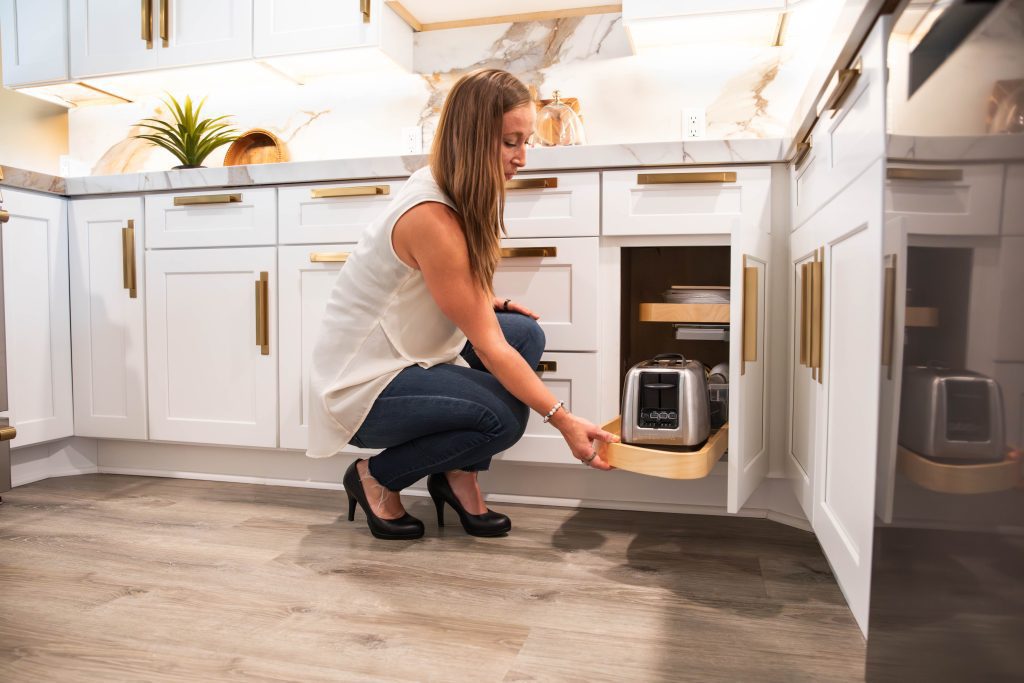
Clutter Multiplies Fast
Most clutter starts because everyday items do not have a clear place to go. A kitchen counter becomes a drop zone. A hallway becomes a coat rack. A spare room becomes a storage room. Once that happens, the mess starts to feel normal, like your home’s backdrop. But even if you don’t feel like it’s a daily stress, it actually is. Visual clutter is taxing on our mental capacity. Every time we walk by our clutter, our brain processes it as an undone task that needs to be done. All that mental management quietly wears us out.
Finding The Real Clutter Spots In Your Home
Good storage starts by looking at where clutter actually happens. The goal is not to hide everything, but to give it a place. That fact is, clutter attracts more clutter. And all horizontal surfaces become a drop zone.
Entry areas often need storage for shoes, coats, backpacks, keys, and pet items. Kitchens may need better cabinet storage for small appliances, pantry items, and food containers. Living rooms often need space for blankets, games, books, remotes, and electronics.
Bedrooms and closets can also become crowded fast. Clothes, shoes, bags, and bedding need a layout that is easy to use every day. If storage feels hard to reach, it’s not functional.
Why Basic Storage Falls Short
Store bought shelves and bins can help for a while, but they often do not fit the room or the habit. A basket near the door may fill up fast. A basic closet layout may not handle shoes, folded clothes, and off season items very well.
That is where built in storage can make a real difference. It can be planned around the room, the people using it, and the items that need a home. Instead of forcing your life to fit a standard cabinet, the storage is designed around your daily routine.
A better storage build can help make your home feel calmer and easier to manage.
Designing Storage For Real Daily Use
Built in storage works best when it is simple to use. If a child needs to hang up a coat, the hook should be low enough. If you cook often, the items you use most should be easy to reach. If you have pets, food, leashes, and related items need to have a spot that is easy to access.
Helpful built-in storage features can include:
- Mudroom benches with drawers or cubbies
- Pantry cabinets with pull out shelves
- Living room cabinets for games and electronics
- Bedroom window seats with hidden storage
- Closet systems with shelves, rods, and drawers
- Bathroom linen towers and vanity drawers
The best design depends on your home. A busy family may need a strong drop zone near the entry. A smaller kitchen may need taller cabinets and a better pantry. A living room may need closed cabinets to reduce visual mess.
Making Storage Easy To Reach
Storage only works if people use it. That means access matters. Deep shelves can hide items in the back. Tall cabinets can waste space if they are hard to reach. Large open bins can turn into another messy pile.
Good design makes storage feel natural. Drawers work well for small items because you can see what is inside. Pull out shelves make pantry items easier to reach and inventory. Open cubbies can help with daily items, while closed doors can hide things that you need but don’t want to look at.
The goal is to reduce friction. If putting something away takes too many steps, clutter usually comes back.
How Built-Ins Improve Life
A strong storage plan can change how a home functions. It gives each item a place. It also makes cleanup faster because people know where things belong.
This is especially helpful in shared spaces. In many homes, clutter builds because no one is sure where items should go. Built-ins create a clear system. Shoes go in cubbies. Bags go on hooks. Games go in the lower cabinet. Mail goes in a small drawer or command center.
The result is a home that feels easier to reset at the end of the day, and everyone knows where everything goes.
Blending Storage Into Your Home Remodel
Built-in storage should feel like it was always there. It should match the style, trim, colors, and layout of the space. That is what makes it feel finished instead of like an add-on.
In a traditional home, built-ins may include framed cabinet doors, crown molding, and painted finishes. In a modern home, you may want clean lines, flat doors, and simple hardware. In a cozy family space, storage can include open shelves mixed with closed cabinets.
Style still matters, but function comes first. A beautiful cabinet that does not hold what you need will not solve clutter.
Creating A Home That Feels Easier To Live In
Built-in storage can turn messy areas into calm spaces. It helps reduce daily stress, supports better habits, and keeps your home looking cleaner with less effort. The right plan is built around how you live, what you own, and where clutter keeps showing up.
If you’re ready to remodel your home with built-in storage that helps reduce clutter and improve everyday function, contact Total Quality Construction to start planning your project.