The Trade-Offs of a Minimalist Bathroom Remodel
A minimalist bathroom remodel can create a clean, modern space, but reducing visual clutter should not come at the expense of everyday functionality. This article is written for homeowners who want to understand the benefits and trade-offs of minimalist bathroom design, including how storage, layout, lighting, and material choices affect long-term comfort and usability. The perspective reflects Total Quality Construction’s experience designing bathrooms that balance style with practical living.
You probably like the idea of a bathroom that feels calm the moment you walk in. Clean counters, simple lines, soft lighting, and nothing sitting out that does not need to be there. After dealing with clutter and tight spaces, a minimalist bathroom can feel like a reset.
At first, the design seems to solve everything. Less visual noise, easier cleaning, and a more modern feel. Then daily life starts to happen again. Toothbrushes need a place. Towels pile up. Products you use every day still need to be stored somewhere. That is where the reality of minimalist design starts to show itself.
A minimalist bathroom can work well, but it comes with trade-offs that affect how you use the space.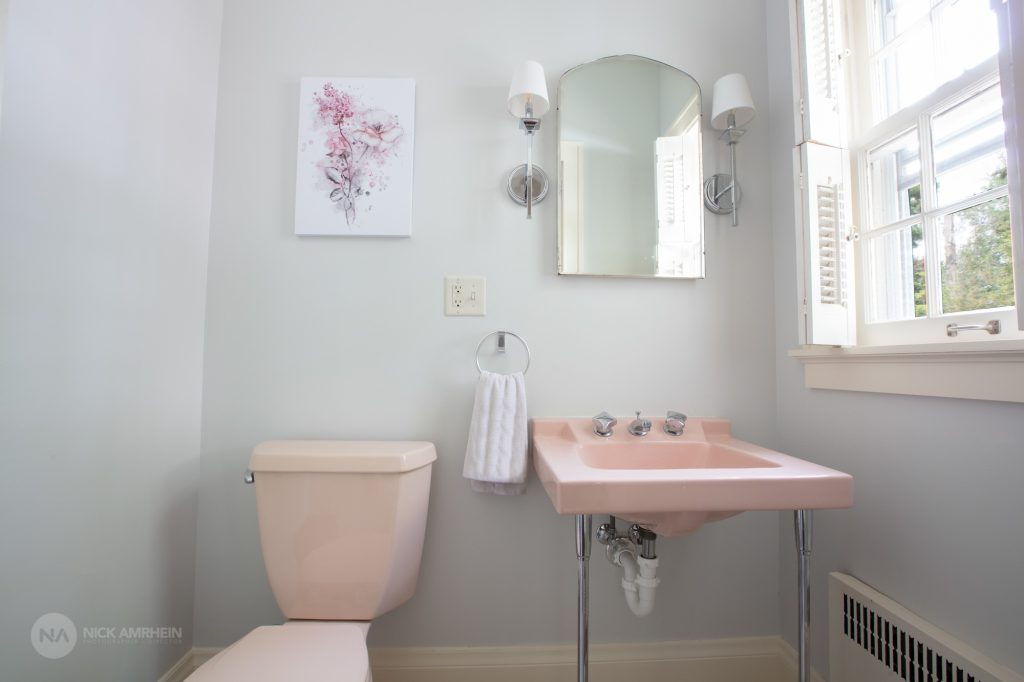
Why Storage Becomes the First Challenge
The most immediate change you notice in a minimalist bathroom is reduced storage. The clean look often comes from removing visible cabinets, shelving, and countertop items. That creates a sleek appearance, but it also limits where things go.
You may find yourself trying to keep surfaces clear at all times, even when daily items do not have a natural home. Toiletries end up shuffled in and out of drawers. Towels get stored farther away from where you actually use them.
Over time, this can turn a simple routine into something that requires more effort than expected. The space looks calm, but maintaining that calm takes constant attention and daily discipline that can become tiring.
Hidden Storage Helps, but It Has Limits
To compensate for reduced visible storage, minimalist bathrooms often rely on hidden solutions. Recessed shelving, vanity drawers, and built in compartments help keep items out of sight.
These solutions can work well, but they also have limits. You are still working within fixed storage space, and once it is full, there is no easy overflow option. If your needs change or grow, the system can feel restrictive.
It also takes discipline to maintain. Everything has to be put back in its place to preserve the clean look. When that does not happen, even small clutter stands out more in a minimalist design.
The result is a space that looks organized but requires ongoing effort to stay that way.
Why Minimal Design Is Easier to Maintain but Less Flexible
One advantage of a minimalist bathroom is easier cleaning. With fewer items on display and simpler surfaces, there is less to wipe down and fewer places for buildup.
The trade-off is flexibility. Because the design removes extra storage and visual elements, there is less room to adjust as your needs change. A growing household or new routines can quickly stretch the original layout.
What starts as a streamlined space can begin to feel tight if it was not planned with long term use in mind. The clean look stays, but function can feel limited.
How Lighting and Materials Shape the Experience
Lighting plays a major role in minimalist bathrooms. Since the design avoids visual clutter, lighting becomes one of the main features that defines the space. Soft, even lighting helps maintain the calm feel, while poor lighting can make the room feel flat or harsh.
Material choices also carry more weight. With fewer decorative elements, every surface stands out more. Tile, counters, and finishes all need to work together or the simplicity starts to feel incomplete.
Small inconsistencies are easier to notice in a minimalist design because there is nothing to visually balance them. Even minor imperfections can stand out more than expected.
When Minimalism Works Well and When It Creates Problems
Minimalist bathrooms work best when your daily needs are simple. If you keep fewer items in the space and prefer a clean surface at all times, the design can feel comfortable and easy to manage.
It also works well in smaller bathrooms where reducing visual clutter helps the room feel more open.
Challenges appear when storage needs are higher or when multiple people share the same space. Limited room for personal items can quickly create frustration. What looks clean in design can feel inconvenient in daily use.
The difference comes down to whether the design supports how you live or just how you want it to look.
Finding Balance in a Minimalist Approach
A successful minimalist bathroom does not remove function for appearance. It balances both. That means planning storage carefully, choosing durable materials, and making sure lighting supports everyday tasks.
It also means thinking ahead about how your needs might change over time. A design that feels perfect now may not stay practical if storage or layout is too limited.
Working with a skilled team like Total Quality Construction helps you find that balance. The design process considers how the space will function day to day, not just how it looks.
Creating a Minimalist Bathroom That Still Works for You
Minimalism can create a bathroom that feels calm and visually clean. The key is understanding the trade-offs and planning for them so they do not affect daily comfort.
When storage, lighting, and layout are carefully designed, a minimalist bathroom can stay functional over time instead of becoming frustrating.
Total Quality Construction helps you build bathrooms that fit your lifestyle, not just a style trend. If you are considering a minimalist remodel, we can help you create a space that stays practical, comfortable, and easy to live with, while still keeping the clean, modern look you want every day. Contact us today to learn more.