Remodeling Around Your Routine Instead of a Floor Plan
Many homeowners begin remodeling projects focused on updating finishes or following design trends, only to discover their home still doesn’t function well for everyday life. This article is written for homeowners considering a remodel and explains why designing around daily routines, rather than a standard floor plan, can create a more comfortable, efficient, and functional living space. The perspective reflects Total Quality Construction’s experience helping homeowners create renovations that support the way they actually live.
You can usually tell when a home was built to look good on paper instead of supporting real life. The kitchen may appear spacious, but everyone bumps into each other during busy mornings. The laundry room sits far from where clothes actually pile up. The entryway becomes crowded with shoes, bags, and backpacks because there is nowhere practical to put them. At first, these frustrations may seem minor. Over time, though, small inconveniences become daily annoyances that affect how comfortable and functional your home feels.
Many homeowners begin remodeling projects focused on appearance alone. While visual appeal matters, a remodel that ignores your routines can leave you with a home that still feels inconvenient even after major upgrades. A successful remodel should support the way you actually live. When your home is built around your habits and everyday movement, the space feels easier to use and more enjoyable long term.
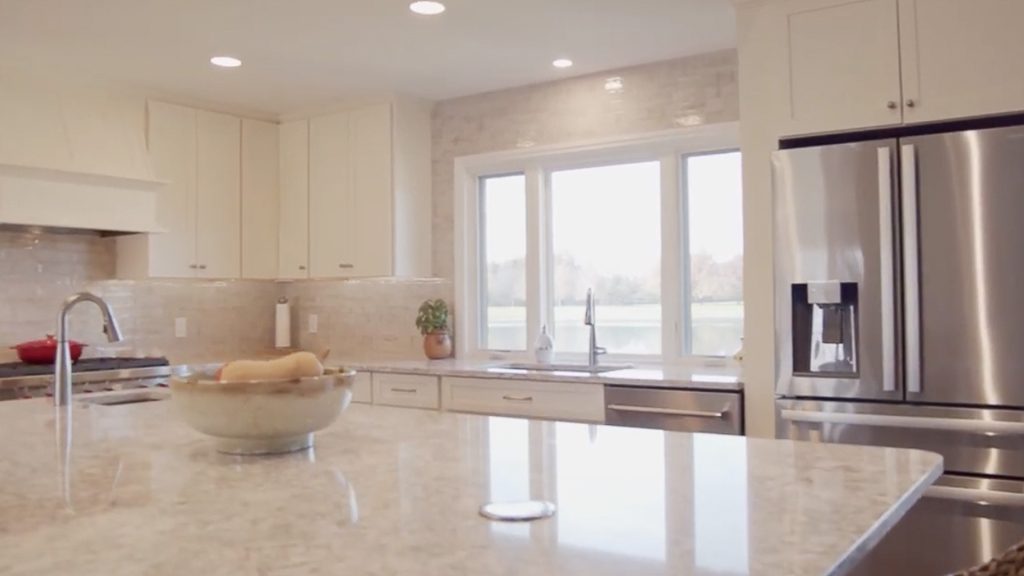
Why Generic Floor Plans Often Fall Short
Standard floor plans are intended to appeal to as many people as possible. That broad approach may work for builders trying to market homes quickly, but it often creates layouts that do not fully support individual households. Every family moves through a home differently. Some households spend most of their time gathered in the kitchen. Others need quiet workspaces for remote jobs or study areas for children. You may entertain guests frequently or prefer quieter spaces.
Generic layouts rarely account for these differences. You may notice traffic issues in high-use areas or wasted square footage in rooms that barely get used. Storage may exist, but not where you actually need it. Appliances and seating may feel disconnected from your daily habits.
Once daily life settles in, the layout starts revealing its limitations. A remodel gives you the opportunity to rethink how your home functions instead of simply updating finishes around the same frustrations.
Paying Attention to Daily Habits
One of the most valuable parts of remodeling is identifying how your household actually uses the space each day. Think about your morning routine. Where does congestion happen? Are multiple people trying to move through the same area at once? Do backpacks, shoes, and jackets pile up near the entry because storage is not convenient?
You may also notice patterns around cooking, cleaning, relaxing, or working from home. A kitchen island may sound appealing, but if it interrupts movement or limits storage, it may create frustration instead of convenience.
Remodeling spaces around your routine means paying attention to how rooms connect and how people move throughout the house. Small adjustments can make a noticeable difference in daily comfort.
For example, relocating a laundry room closer to bedrooms may reduce constant trips across the house. Adding built-in storage near entrances can help reduce clutter and improve organization. These improvements are not about trends. They are about making your home function better for the people living in it.
Improving Flow Between High-Use Areas
Some parts of the home experience constant movement every day. Kitchens, entryways, living rooms, bathrooms, and laundry areas often become the center of household activity.
If these spaces feel disconnected or crowded, the entire home can feel less functional.
The goal is not simply opening walls. It is creating smoother transitions between the areas you use most.
You may benefit from wider walkways, improved sightlines, or better placement of furniture and appliances. In kitchens, work zones should support natural movement between cooking, cleaning, and storage. Living spaces should allow conversation and relaxation without interrupting traffic flow.
Even entryways deserve careful planning. A cluttered entrance can affect the feel of the entire home. Adding benches, storage cabinets, hooks, or drop zones can help create a cleaner and more organized environment.
Avoiding One-Size-Fits-All Remodeling Decisions
One of the biggest remodeling mistakes you can make is copying layouts that look appealing online without considering whether they fit your lifestyle. A large soaking tub may look beautiful in photos, but if it is rarely used, the space could be better spent elsewhere. Oversized open kitchens may sound appealing until noise and clutter spread through the home.
Trends change, but your routines tend to remain consistent over time. Remodeling decisions should support long-term comfort instead of temporary popularity.
This is where skilled planning becomes valuable. Experienced contractors can help you evaluate how remodeling choices will function in daily life, not just how they will appear visually.
Important factors include household size, storage habits, cooking routines, work-from-home needs, entertaining style, and privacy concerns.
How Intentional Plans Improve Long-Term Livability
A home that supports your routines tends to feel more comfortable and less stressful over time. You spend less energy working around inconvenient spaces and more time enjoying your home.
Intentional layouts can also help your home adapt as your needs change. Flexible layouts, better storage solutions, and thoughtful room placement often make homes easier to use for many years.
Total Quality Construction helps homeowners fall back in love with their homes by creating remodels that focus on appearance and functionality equally. Instead of forcing your routine to fit an outdated floor plan, thoughtful planning allows your home to work better for the way you actually live. Whether you are remodeling a kitchen, reworking your layout, or planning a larger renovation, we can help you create a space that feels more comfortable, efficient, and enjoyable every day. To learn more about your remodel options, contact us to schedule a consultation.