Creating Indoor-Outdoor Living in Four Seasons
Many homeowners want to enjoy their outdoor spaces beyond just a few warm-weather months, but find that patios, decks, and backyard areas often sit unused as temperatures change throughout the year. This is written for people interested in creating a more connected indoor-outdoor living setup that feels comfortable in every season. It reflects how design choices like layout, coverings, heating and cooling features, and material selection can turn an outdoor space into a usable extension of the home rather than a seasonal afterthought.
You probably know the feeling. A beautiful spring afternoon arrives, and suddenly you want to spend every possible moment outside. You open the patio door, carry drinks onto the deck, and imagine how nice it would be if your outdoor space felt just as comfortable and functional as the rest of your home. Then summer heat rolls in, followed by chilly fall evenings and freezing winter weather. Before long, that outdoor area sits unused for months at a time.
Many homeowners experience the same problem. Outdoor spaces can feel temporary, limited by changing temperatures and unpredictable weather. You may want a place where you can relax, entertain guests, or enjoy family time throughout the year, but standard patios and decks rarely provide enough comfort for four-season living.
The good news is you do not have to treat your outdoor space as something you only use a few months each year. With the right design choices, your home can support a seamless connection between indoor comfort and outdoor enjoyment in every season.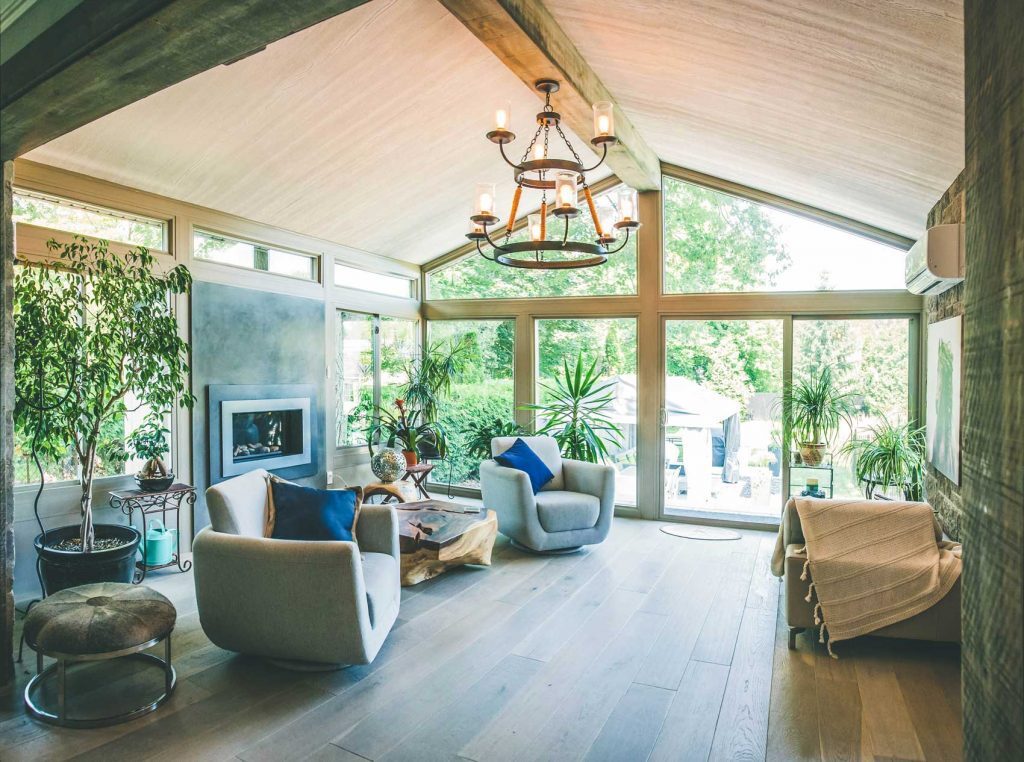
Why Outdoor Spaces Often Go Unused
A basic patio or uncovered deck looks great, but it usually lacks the features needed for long-term functionality. During the summer, direct sunlight can make the area uncomfortable. In colder months, wind and dropping temperatures quickly push everyone back indoors.
Many homeowners also discover that disconnected layouts can create frustration. If your indoor and outdoor areas feel separated, entertaining becomes less convenient. Guests move awkwardly between spaces, and the flow of your home never feels natural.
Material wear is another common concern. Constant exposure to moisture, sunlight, snow, and temperature swings can damage surfaces that are not built to handle seasonal changes. What looked great during installation may quickly begin fading, cracking, or warping under the stress.
These frustrations often leave homeowners feeling like they are wasting valuable square footage that could serve a much greater purpose.
Creating a Smooth Transition Between Indoors and Outdoors
One of the biggest factors in successful indoor-outdoor living is creating a smooth transition between spaces. Instead of treating your patio or deck as a separate zone, you can design it as an extension of your home.
Large sliding glass doors, folding wall systems, and oversized windows help open up the space visually while allowing natural light to move throughout the home. When these openings are paired with similar flooring, colors, and finishes, the transition feels much more connected.
Covered outdoor areas also help bridge the gap between interior and exterior spaces. A covered patio or screened enclosure creates protection from rain and direct sun while still giving you the feeling of being outdoors.
If you enjoy entertaining, placing outdoor seating and dining areas near kitchens or living rooms can improve traffic flow and convenience.
Features That Support Year-Round Comfort
To enjoy indoor-outdoor living throughout the year, your space needs features that support comfort during different weather conditions.
Heating elements are one of the most popular additions for year-round outdoor spaces.
Fireplaces, mounted heaters, and heated flooring systems can make patios and covered seating areas much more inviting during cooler months.
Shade structures are equally valuable during warmer seasons. Pergolas, retractable awnings, and covered roof extensions help reduce direct heat and sunlight. Ceiling fans can also improve airflow and comfort during hot weather.
Enclosures provide another level of flexibility. Screened rooms help keep insects away while allowing fresh air to circulate. Glass enclosures or four-season rooms provide additional protection from rain, wind, and colder temperatures.
Lighting also plays a major role in functionality. Thoughtfully placed lighting extends the usability of your space into the evening while creating a welcoming atmosphere.
Choosing Materials That Can Handle Seasonal Changes
Outdoor living spaces face constant exposure to changing weather conditions. Because of that, material selection plays a major role in how well your investment performs over time.
Composite decking remains popular because it resists warping, splintering, and fading more effectively than many traditional wood products. Weather-resistant stone and moisture-resistant finishes can also help reduce maintenance and extend the lifespan of your outdoor areas.
Furniture and cabinetry should support long-term use as well. Outdoor kitchens, storage systems, and seating areas benefit from materials that resist moisture, temperature fluctuations, and UV exposure.
Designing for Everyday Living and Entertaining
A successful indoor-outdoor layout should support both large gatherings and quiet daily routines.
You may want a flexible setup that adapts to different needs throughout the week. Comfortable seating areas can support casual evenings with family while larger dining areas create room for parties and celebrations.
Features that improve functionality include:
- Built-in seating and storage
- Outdoor kitchens or grilling stations
- Covered dining areas
- Multi-level patios for separate activities
- Integrated lighting and sound systems
- Easy access to indoor kitchens and bathrooms
Creating distinct zones helps the space feel organized without becoming overcrowded.
Expanding Your Living Space With a Home Addition
Sometimes your current layout simply does not provide enough room to support the indoor-outdoor lifestyle you want. In these situations, a home addition can create new opportunities for year-round comfort and functionality.
Sunrooms, enclosed patios, expanded family rooms, and covered outdoor structures can increase usable living space while improving the connection between your home and the outdoors.
Total Quality Construction helps homeowners create customized spaces that blend indoor comfort with outdoor living. Whether you want to build a covered patio, expand your entertaining area, or add a four-season room, the right design can completely change how you use your home throughout the year. Contact us to discuss ideas for creating a space that feels comfortable, functional, and inviting all year.